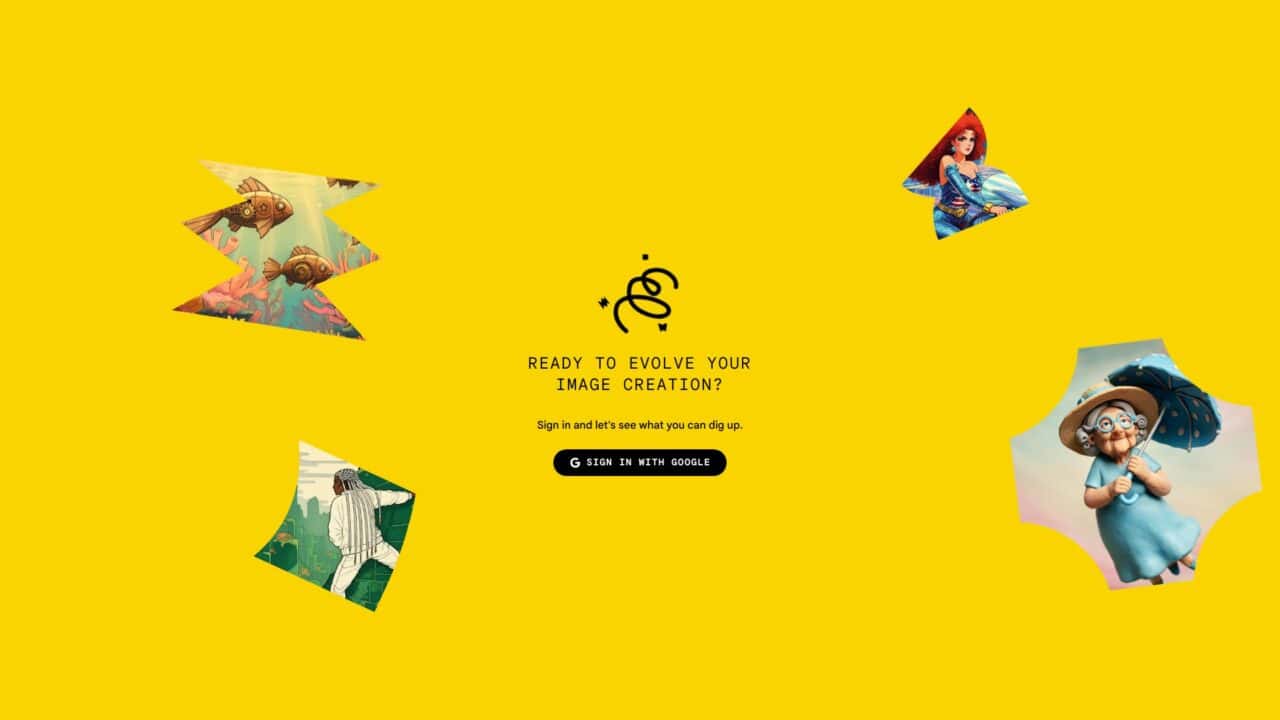
Google Whisk is an innovative AI image generation tool developed by Google Labs that allows users to create unique visuals using existing images as prompts, rather than relying solely on text descriptions. This tool simplifies the creative process by enabling users to drag and drop images to define the subject, scene, and style of their desired creation. Whisk utilizes Google’s advanced AI models—Gemini for image analysis and Imagen 3 for image generation—to automatically capture the essence of the input images and generate new visuals. This approach fosters rapid experimentation and creative exploration, making it an exciting option for artists and designers.
Major Highlights
-
Image-Based Input: Users can upload images directly to define subjects, scenes, and styles, making the creation process more intuitive.
-
Three-Part Input System: The tool allows for separate image uploads for subject, background, and artistic style, enabling diverse creative outcomes.
-
Quick Iteration: Users can rapidly generate multiple image variations, facilitating immediate visual experimentation.
-
Editable Prompts: Users can view and modify the AI-generated text prompts to refine their final images.
-
Creative Flexibility: Whisk captures the essence of input images rather than producing exact replicas, encouraging imaginative outputs.
-
User-Friendly Interface: The platform is designed for ease of use, making it accessible even to those without extensive design experience.
-
AI-Powered Suggestions: Users can opt for AI-generated suggestions for subject, scene, or style if they prefer not to upload their own images.
-
Ideal for Various Creations: The tool is suitable for generating stickers, pins, digital art, and more, catering to a wide range of creative needs.
-
Experimental Nature: As a Google Labs project, Whisk is positioned as a tool for rapid visual exploration rather than pixel-perfect editing.
-
Currently Available in the US: The tool is currently accessible only in the United States but may expand to other regions in the future.
Use Cases
-
Creating unique imagery for marketing campaigns.
-
Designing social media content with customized visuals.
-
Experimenting with different artistic styles for personal projects.
-
Developing visual narratives by combining elements from various images.
-
Producing merchandise designs like stickers or pins based on user-uploaded images.






Leave a Reply